
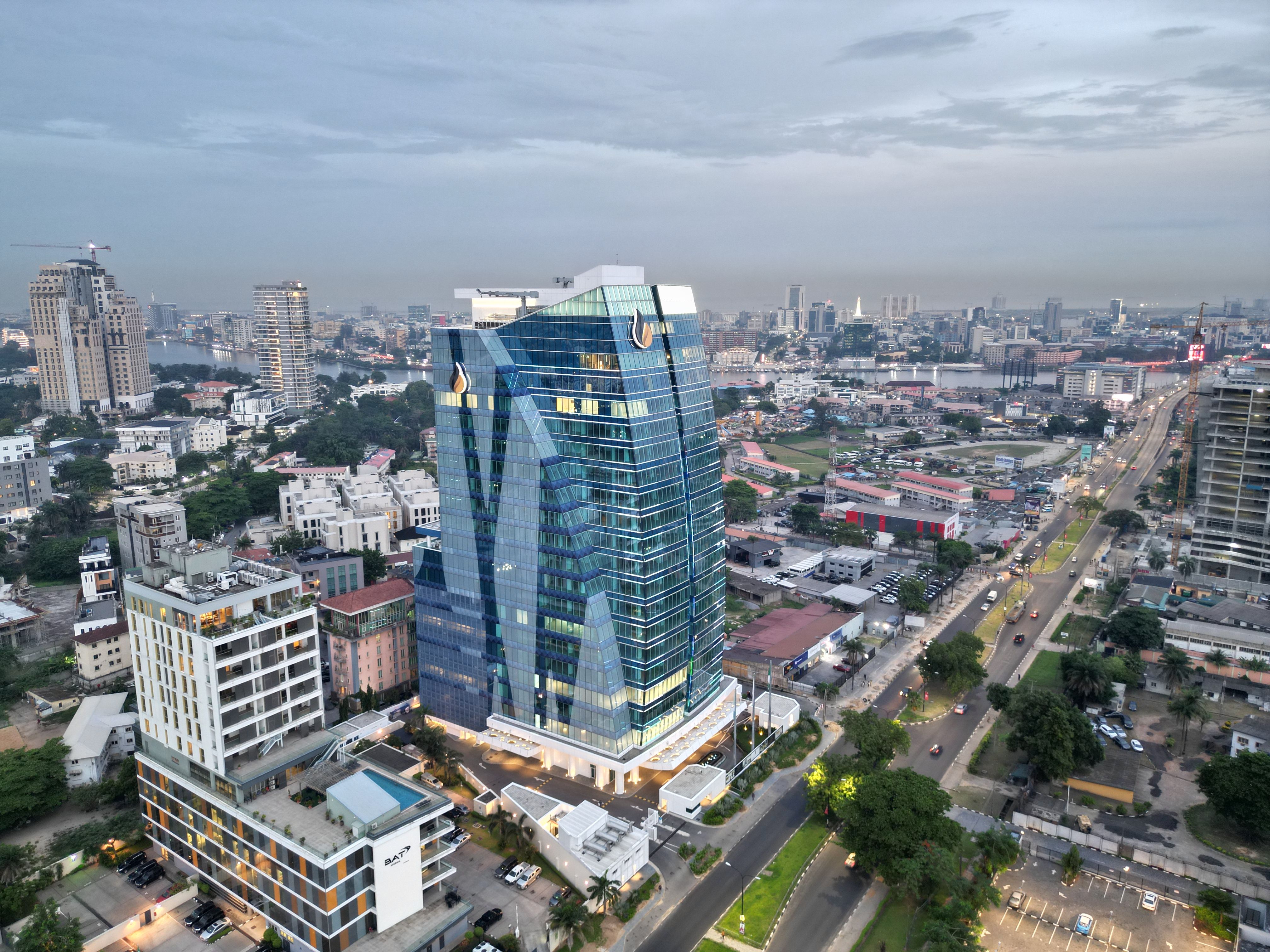
A property's location is about more than its immediate neighbourhood. Its relationship with transport networks, employment centres, commercial districts, public services and essential infrastructure can influence how useful the property is to residents and potential tenants. This is why infrastructure-led development is an important consideration in real estate investment. Rather than assessing a neighbourhood solely through its current appearance, investors should examine the infrastructure supporting its accessibility and economic activity. What Is an Infrastructure-Led Growth Corridor? An infrastructure-led growth corridor is an area where transport networks, public facilities, commercial activity and supporting infrastructure contribute to the area's development potential. Examples of relevant infrastructure include: Rail transportation. Bus rapid transit systems. Major road networks. Ferry terminals. Commercial and industrial districts. Educational and healthcare facilities. Electricity and water infrastructure. Drainage and environmental systems. These facilities can improve accessibility and support economic activity. However, infrastructure development does not automatically translate into property appreciation. How Is Lagos Expanding Its Transport Infrastructure? Lagos continues to develop an integrated public transportation network involving rail, buses and interchange facilities. On 23 October 2026, the Lagos Metropolitan Area Transport Authority announced that three additional Blue Line stations — Festac, Alakija and Trade Fair — were scheduled to open by the end of February 2027. The expansion is expected to increase the number of operational Blue Line stations from five to eight. � Lagos Transport Authority Official update: LAMATA Blue Line Expansion — 23 October 2026� The important distinction for investors is that the announcement describes a planned opening, not an already completed expansion. Investors should monitor actual project delivery and operational commencement rather than treating projected timelines as established facts. How Can Investors Identify a Promising Property Corridor? A useful approach is to assess a location through several connected factors. 1. Transport accessibility Examine existing roads, public transport routes, rail stations and alternative commuting options. 2. Employment opportunities Consider proximity to business districts, commercial centres, industrial locations and major employment clusters. 3. Supporting infrastructure Assess the availability of electricity, water, drainage, healthcare, education and other essential services. 4. Population and residential demand Understand who lives or works in the area and what types of housing are relevant to their needs. 5. Commercial activity Observe whether businesses, retail facilities and other economic activities are established or expanding. 6. Development constraints Investigate land availability, planning restrictions, environmental exposure and infrastructure limitations. Why Should Investors Distinguish Existing Infrastructure From Proposed Projects? A proposed railway, road or commercial development may influence expectations about a neighbourhood. However, a proposed project does not provide the same immediate benefit as infrastructure already operating. Investors should classify infrastructure into three categories: Infrastructure status What it means Operational Available for public or commercial use. Under construction Physical implementation has commenced but the facility may not yet be usable. Proposed or announced A project has been announced or planned but may not have entered construction. This distinction is important when assessing location-based investment claims. Does Better Infrastructure Guarantee Higher Property Prices? No. Infrastructure can improve accessibility and strengthen the attractiveness of a location, but property values are influenced by several other factors. These include: Housing supply. Buyer affordability. Rental demand. Construction quality. Land-use restrictions. Neighbourhood conditions. Economic activity. Interest rates and financing conditions. An investor should not purchase property based entirely on an announcement about a future road or rail project. How Can Buyers Verify Infrastructure Information? Useful sources include: Government infrastructure announcements. Project updates from responsible agencies. Public transport schedules. Physical site inspections. Planning documents. Construction progress reports. For Lagos transport projects, LAMATA provides information about rail services, bus operations, transport planning and infrastructure projects. Official website: LAMATA� Where possible, buyers should also travel the route themselves to assess practical accessibility and commuting conditions. Conclusion Infrastructure is an important component of real estate development because it connects residential areas with economic activity and essential services. However, sound investment decisions require more than identifying an announced project or a developing neighbourhood. Investors should examine the status, accessibility and practical benefits of infrastructure alongside property fundamentals and market demand. At The Akabells Development Ltd, we believe location analysis should be informed by infrastructure, accessibility and the long-term needs of residents. Frequently Asked Questions 1. What is an infrastructure-led property investment? It is a property investment approach that considers how transport, utilities, public facilities and economic infrastructure influence a location's residential and commercial attractiveness. 2. Does a planned railway guarantee property appreciation? No. A planned railway may influence future demand, but appreciation depends on several market and location-specific factors. 3. Should investors prioritise properties near transport stations? Transport accessibility can be valuable, but buyers should also consider noise, congestion, safety, property quality and actual commuting convenience. 4. Where can I verify Lagos transport infrastructure projects? LAMATA is a useful official source for information about Lagos public transportation infrastructure and project updates.
Exploring residential property opportunities in Lagos? Connect with The Akabells Development Ltd to learn about our developments.